
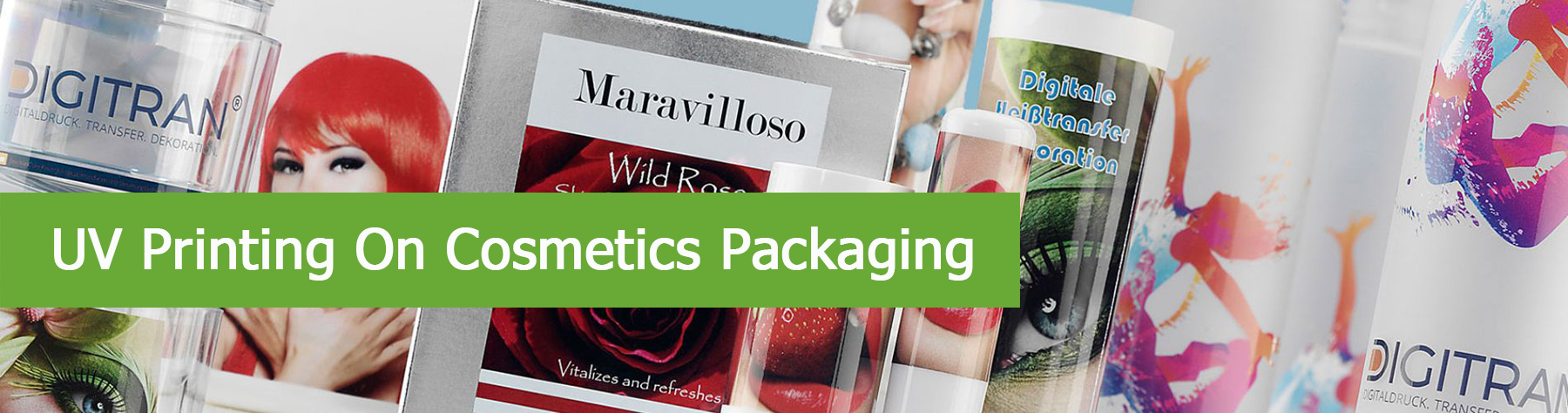
| High precision and diversified effects UV printing technology can achieve high-resolution printing on a variety of materials (such as plastics, glass, and metal cardboard) through ultraviolet curing inks, and supports special effects such as hot stamping, 3D embossed textures, and refraction. For example, the hot stamping process can simulate the texture of frosted metal, greatly enhancing the visual appeal of the packaging. In addition, UV inkjet technology can also achieve innovative designs such as fluorescence to meet the needs of high-end brands for packaging differentiation. |
Environmental protection & sustainability Traditional solvent-based inks release volatile organic compounds (VOCs), while UV inks do not contain solvents, and the curing process is pollution-free, complying with global environmental regulations. For example, restrictions on plastic packaging in the EU and the UK have promoted the use of glass and recyclable materials, and UV technology is significantly more adaptable to such materials than traditional processes. It is predicted that by 2025, the environmentally friendly packaging market will reach US$15 billion, and UV printing technology will become an important driver of this trend. |
Production efficiency and flexibility UV printing supports fast curing (drying in seconds), avoiding the waiting time of traditional printing, and is especially suitable for small batches and multiple batches of orders. |
 |
 |
 |


